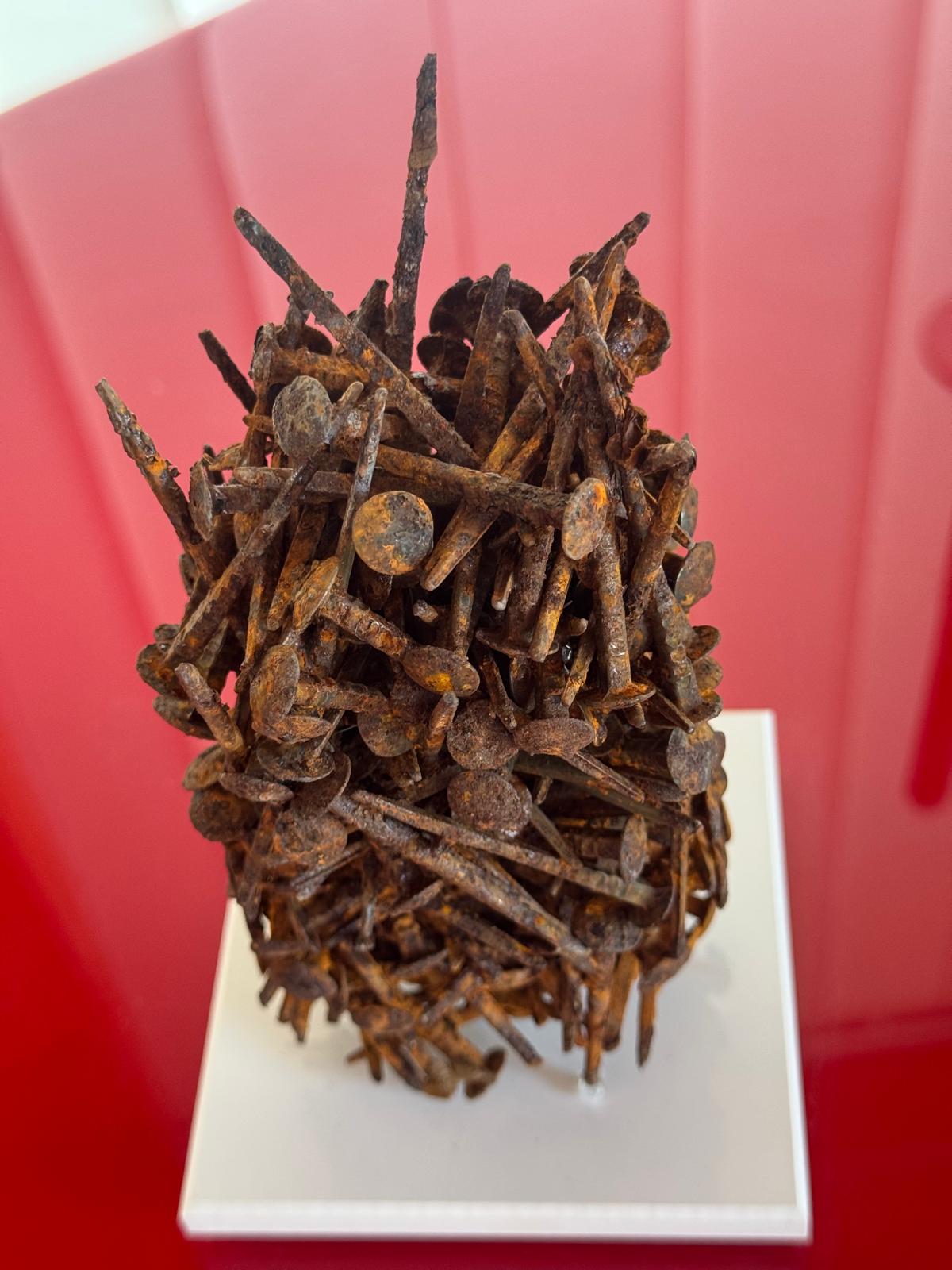
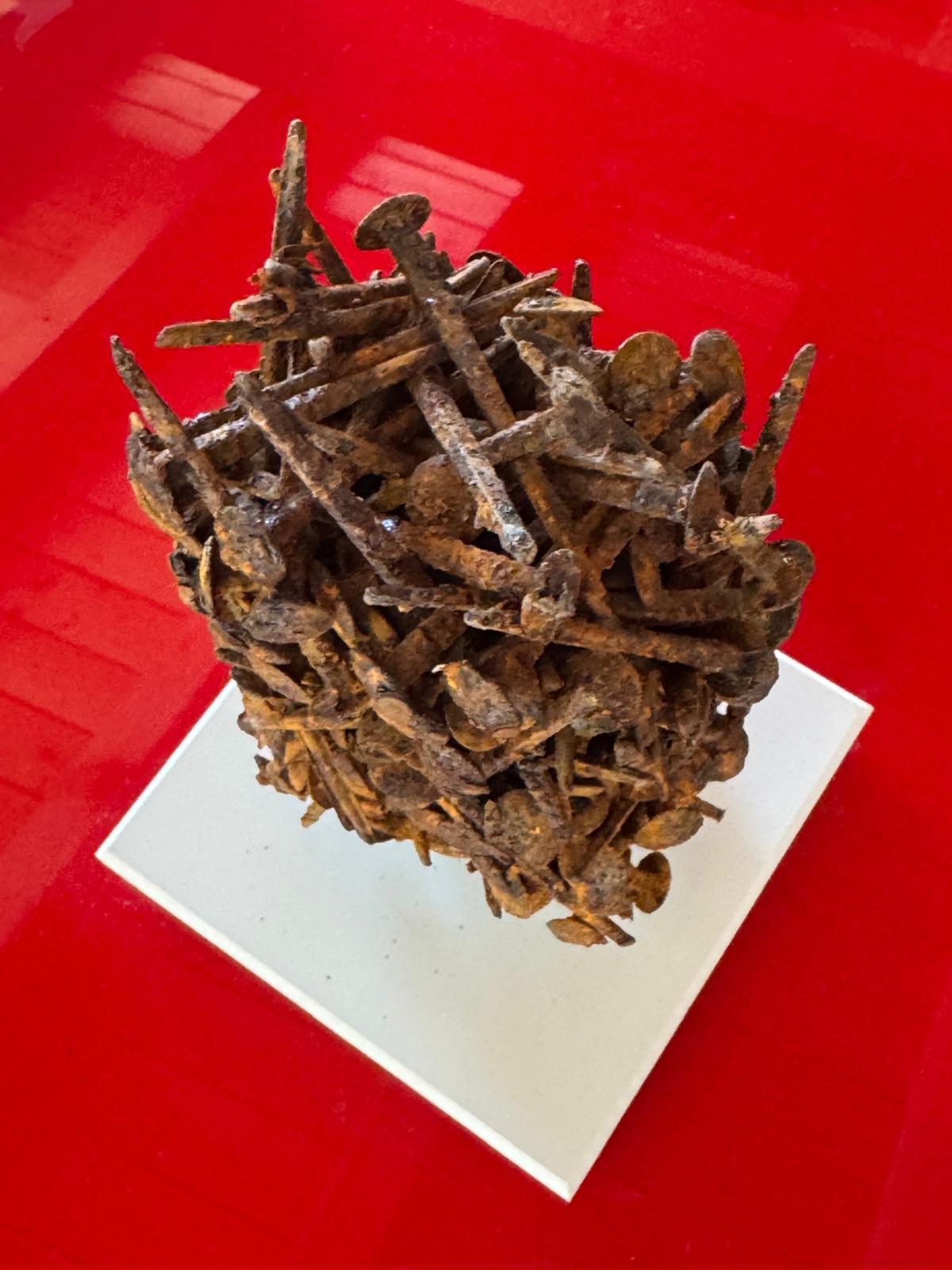
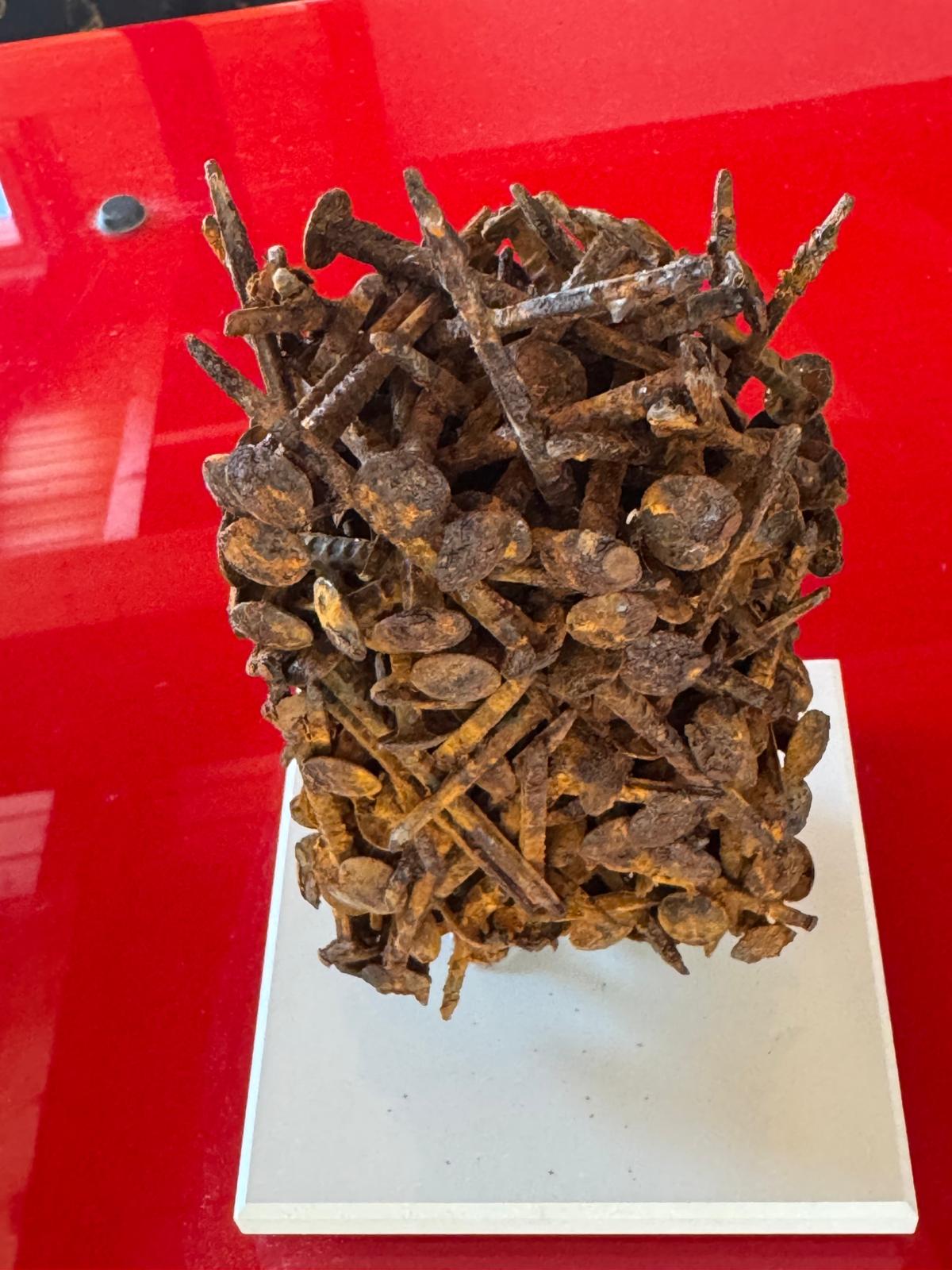
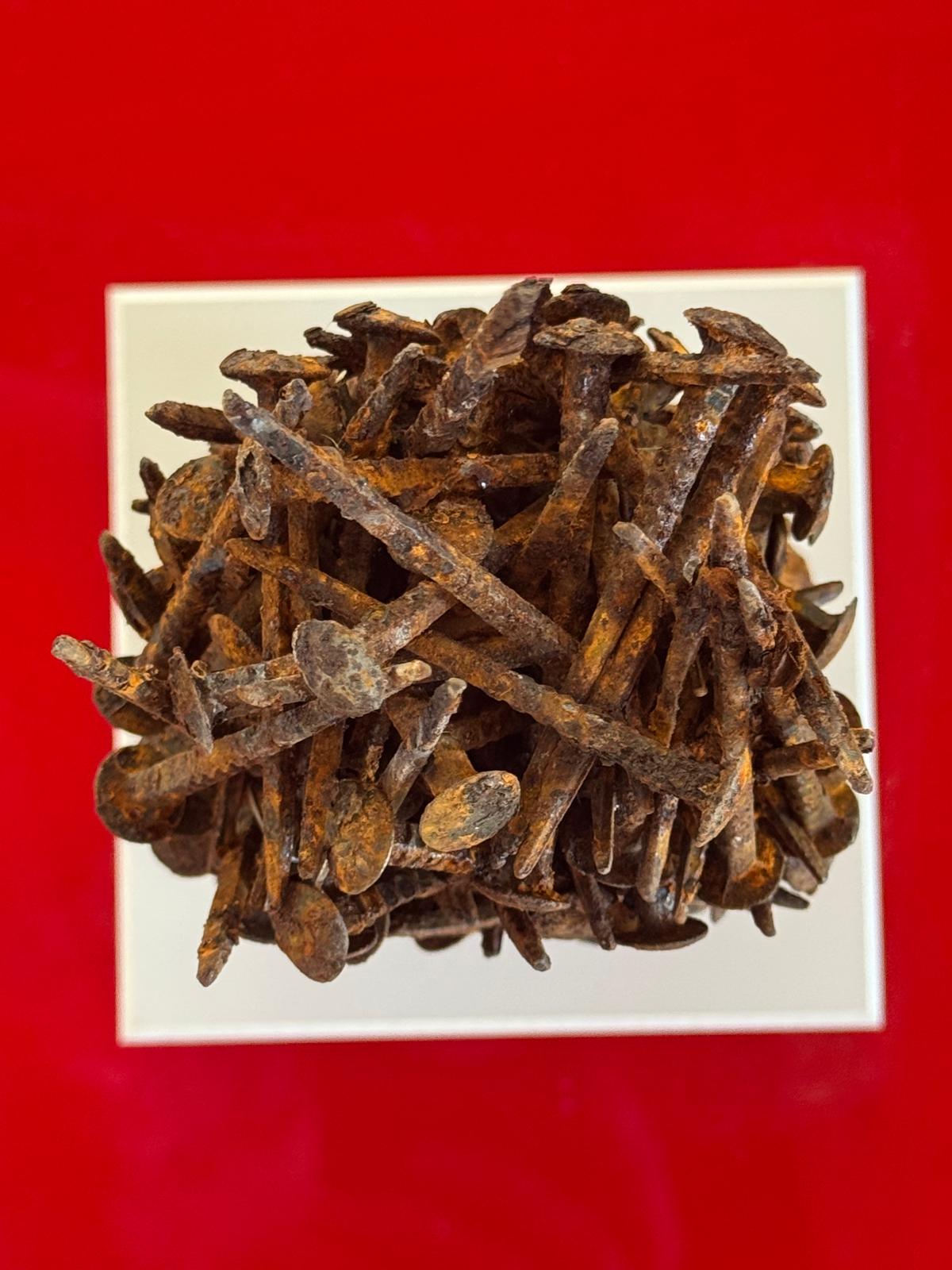
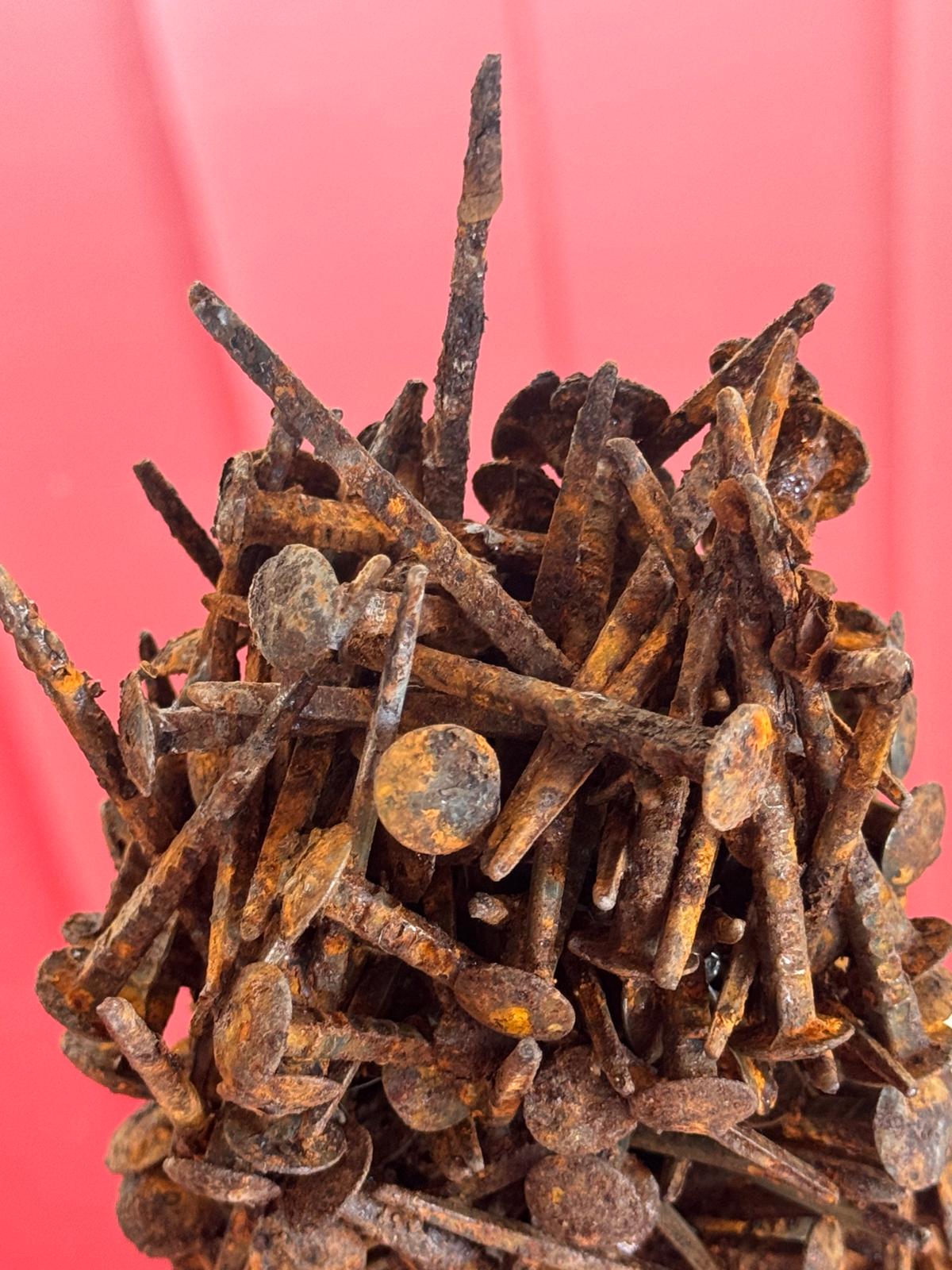
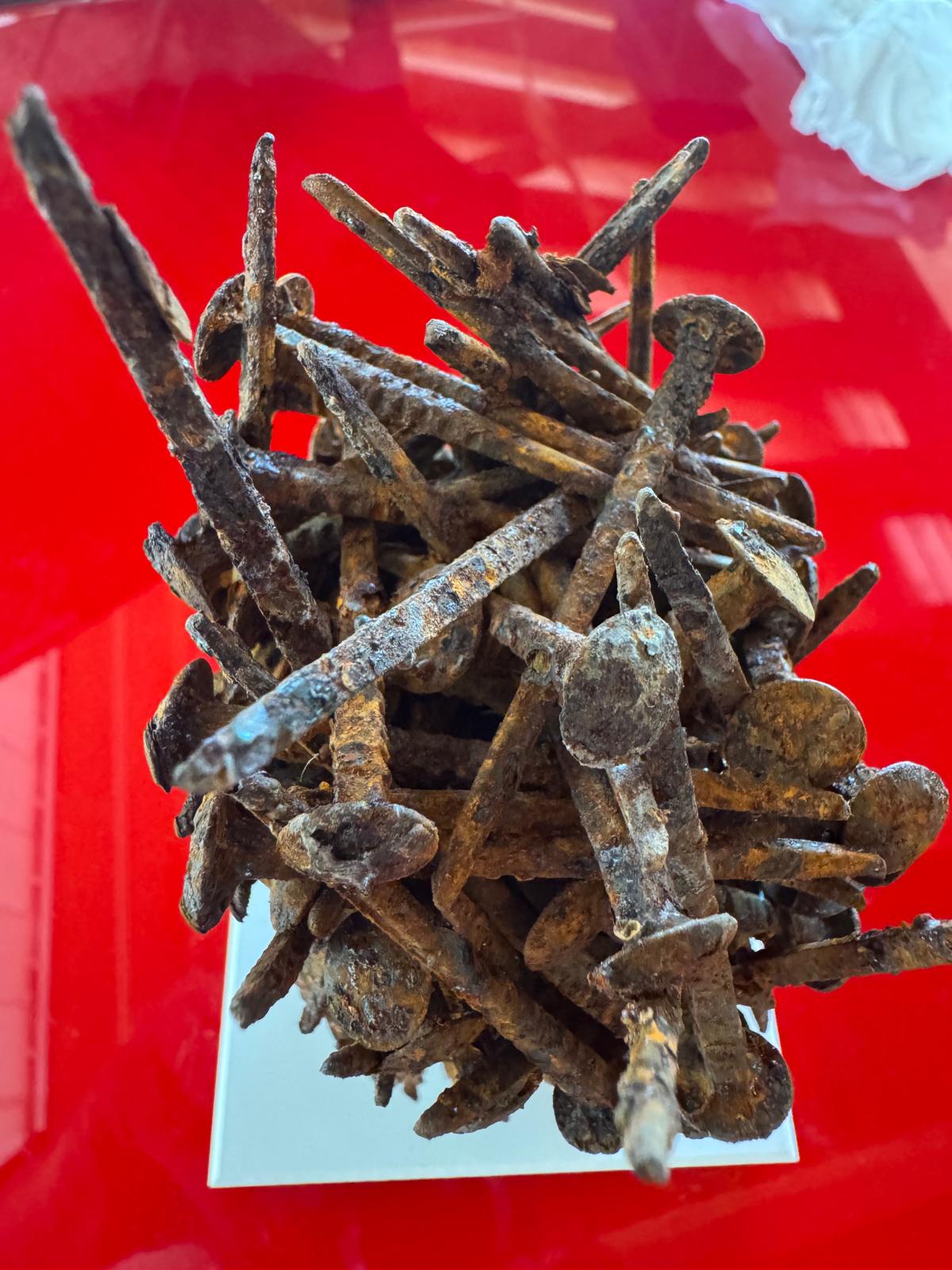
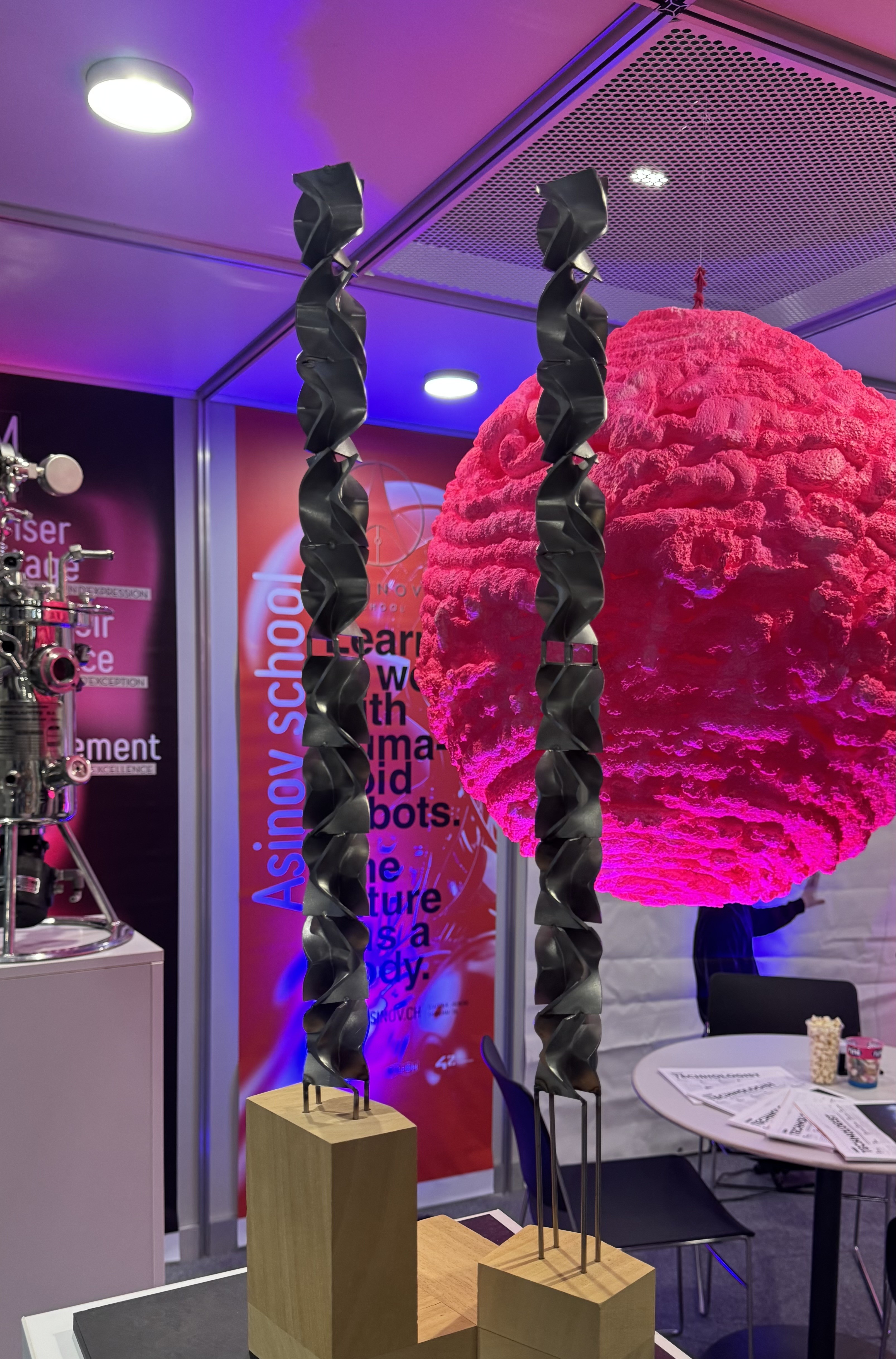
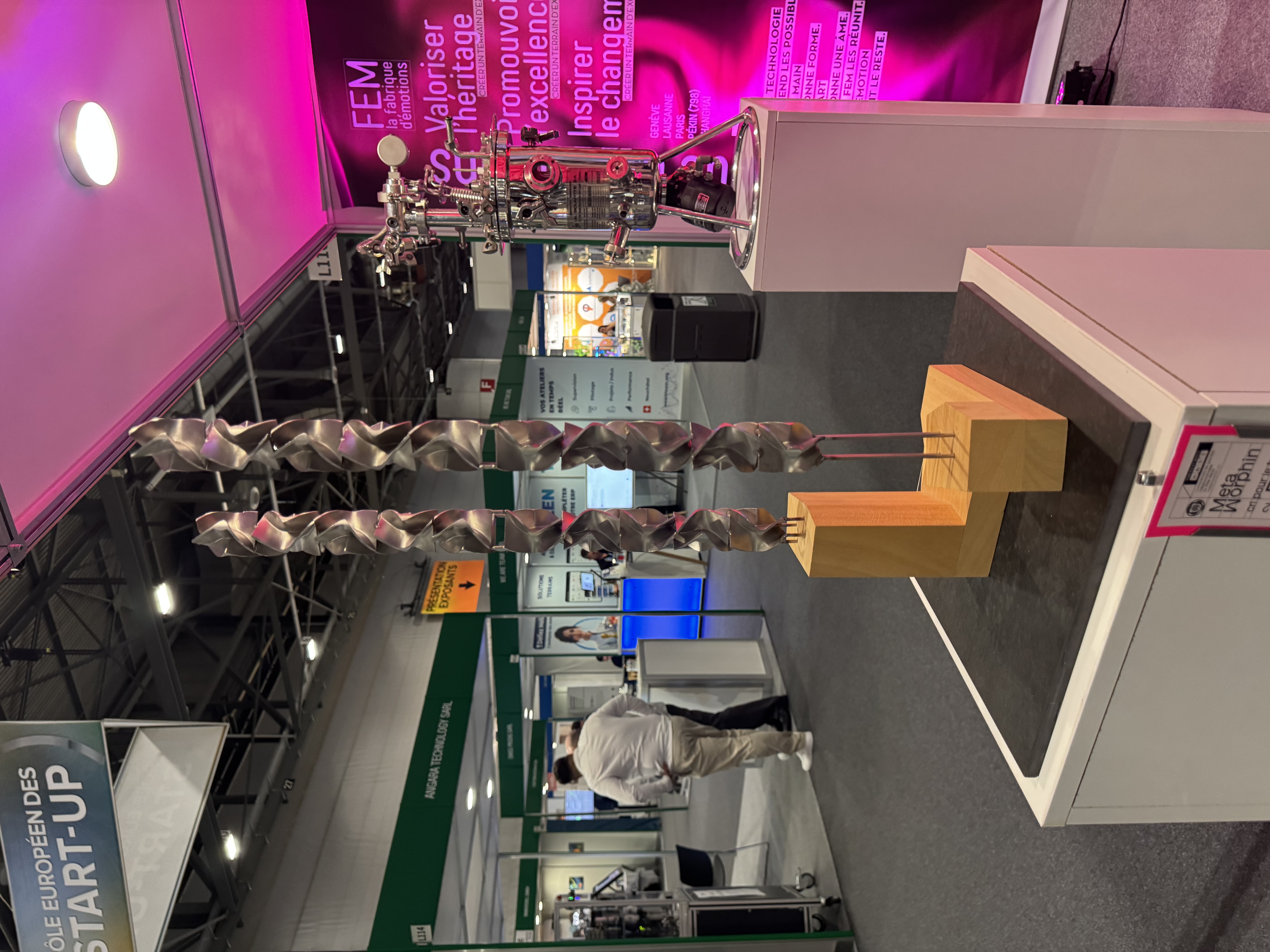
Art is not the end of the conversation. It is the beginning.
A scientist, an entrepreneur, an artist, a philosopher, a citizen. Each responds.
Stéphane Garelli | IMD @ Benoît Dubuis | SATW
How can Switzerland remain an innovative country?
In this podcast, I sit down with Stéphane Garelli for a very open conversation about the competitiveness of Switzerland, not to celebrate past achievements, but to understand what we must still question, strengthen and reinvent if we want to remain the most innovative nation in the world.
Switzerland has long benefited from an exceptional combination of stability, talent, education, industry, research and openness. But none of these advantages can be taken for granted. In a world that is fragmenting, accelerating and becoming increasingly competitive, the real question is no longer whether Switzerland is doing well today, but whether it is preparing well enough for tomorrow.
Stéphane Garelli has spent decades studying competitiveness, advising governments and companies, and observing how nations gain — and lose — their edge. Together, we explore what Switzerland still does remarkably well, where complacency may be setting in, and what we can and must work on now to preserve our capacity to innovate, decide and act.
This conversation is therefore not only about rankings or economic performance. It is about our collective ability to remain relevant, resilient and difficult to replace.
Because leadership is never inherited. It has to be earned again, every day.
Watch · Video Conversations
Tristan Vouga | Twiice @ Benoît Dubuis | Inartis
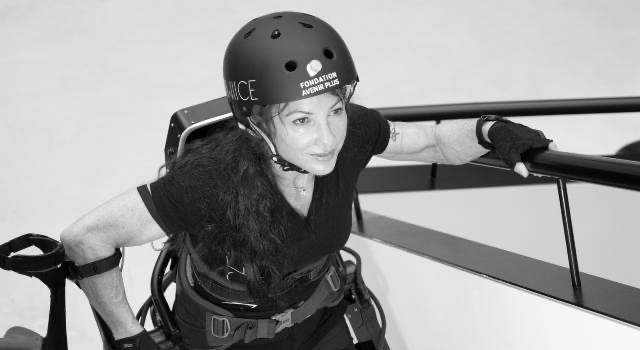
How far can technology extend the human body without replacing it?
In this podcast, we explore what exoskeletons could become for humans , not as science fiction, but with someone who has actually built them. How mature is the technology today? Where is the market heading? And how far could we go in creating a human-machine interface that is increasingly capable, intuitive — and ultimately almost invisible?
Tristan Vouga is a microengineer, robotics PhD, entrepreneur and lifelong maker. Since the age of six, he has wanted to build exoskeletons. Years later, he transformed that obsession and his doctoral research into Twiice, a startup based at Station R in Renens developing highly modular and versatile exoskeletons.
This conversation is therefore not only about a technology. It is about the future of the augmented human, and what happens when machines stop being tools we use and begin to become extensions of our bodies.
In life, there are trees that let you reach golden apples. Tristan planted one.
Listen · Audio Conversations
Marc Cikes | Debiopharm Innovation Fund @ Benoît Dubuis | Inartis
How will technology transform the future of medicine?
Marc Cikes, director of the Debiopharm Innovation Fund, shares his perspective as both a physician and an investor. His unusual path has taken him deep into the medical world — from care delivery to care networks, from entrepreneurship to technology. That path now comes together in his stewardship of the fund's future, and here he shares his view of medicine and the role technology plays in it.
Listen · Audio Conversations
Alain-Serge Porret | CSEM & SATW @ Benoît Dubuis | SATW
Why have microchips become so strategic?
Why have microchips become so strategic? What can Switzerland do in a world where miniaturisation, energy efficiency and technological sovereignty sit at the centre of geopolitical tensions?
In this new podcast episode, I'm joined by Alain-Serge Porret — integrated circuit expert, Vice-President of CSEM and member of the SATW — to explore the fascinating world of semiconductors, their role in our daily lives (smartphones, connected devices, AI), and the challenges Switzerland must meet to stay competitive.
You'll find out:
Why energy efficiency is critical to the future of electronics
How Switzerland can play a key role, even without a mega-fab
The potential of European alliances and niche technologies
Listen now, and immerse yourself in a world that's fully… integrated.
Listen · Audio Conversations
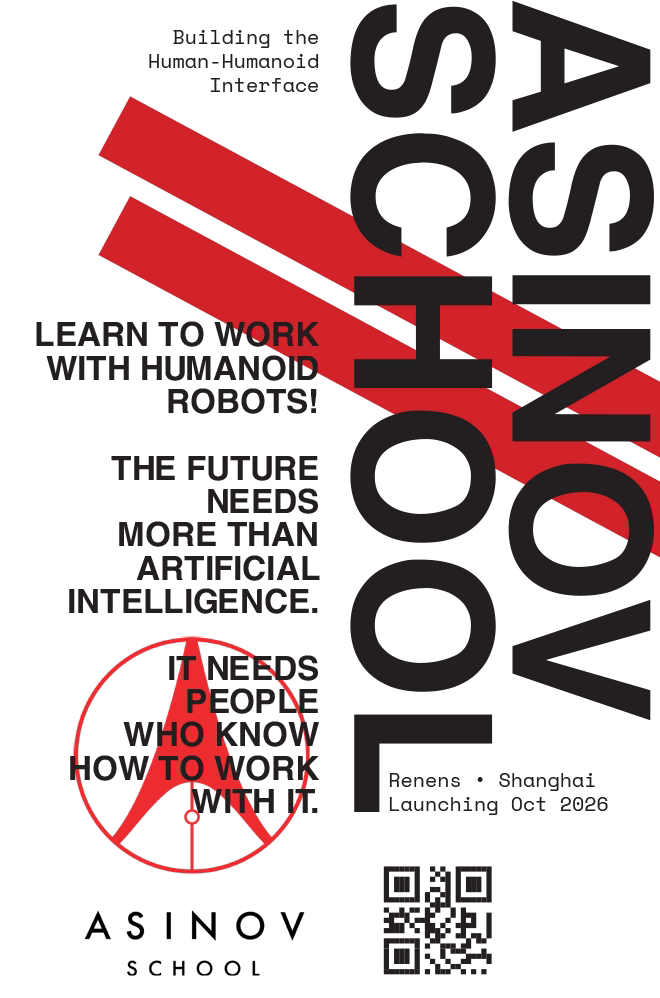
ASINOV | School of Embodied Intelligence
How do we learn to work with machines that can act on their own?
Artificial intelligence is leaving the screen. It is entering the physical world through robots, autonomous systems and humanoids capable of perceiving, deciding and acting. The question is no longer only what machines can think, but what they can do, and how humans will learn to work with them.
The CRY is the growing gap between the extraordinary speed of technological development and our ability to understand, deploy and use these systems in real environments. Industry does not only need better robots. It needs people capable of turning their potential into reliable applications.
ASINOV is an ECHO to that CRY. A school built around learning by doing, where participants experiment with embodied intelligence, confront machines with real situations, discover their limits and learn what it takes to move from impressive demonstrations to useful applications. It is not about teaching robotics for robotics’ sake. It is about preparing people for a world in which intelligence will increasingly have a body, sensors, movement and autonomy.
The CRY is technological acceleration. The ECHO is learning how to act with it.
LEARN · Schools & Programs
Fondation Dominique Renaud | Club N°1 | Inartis
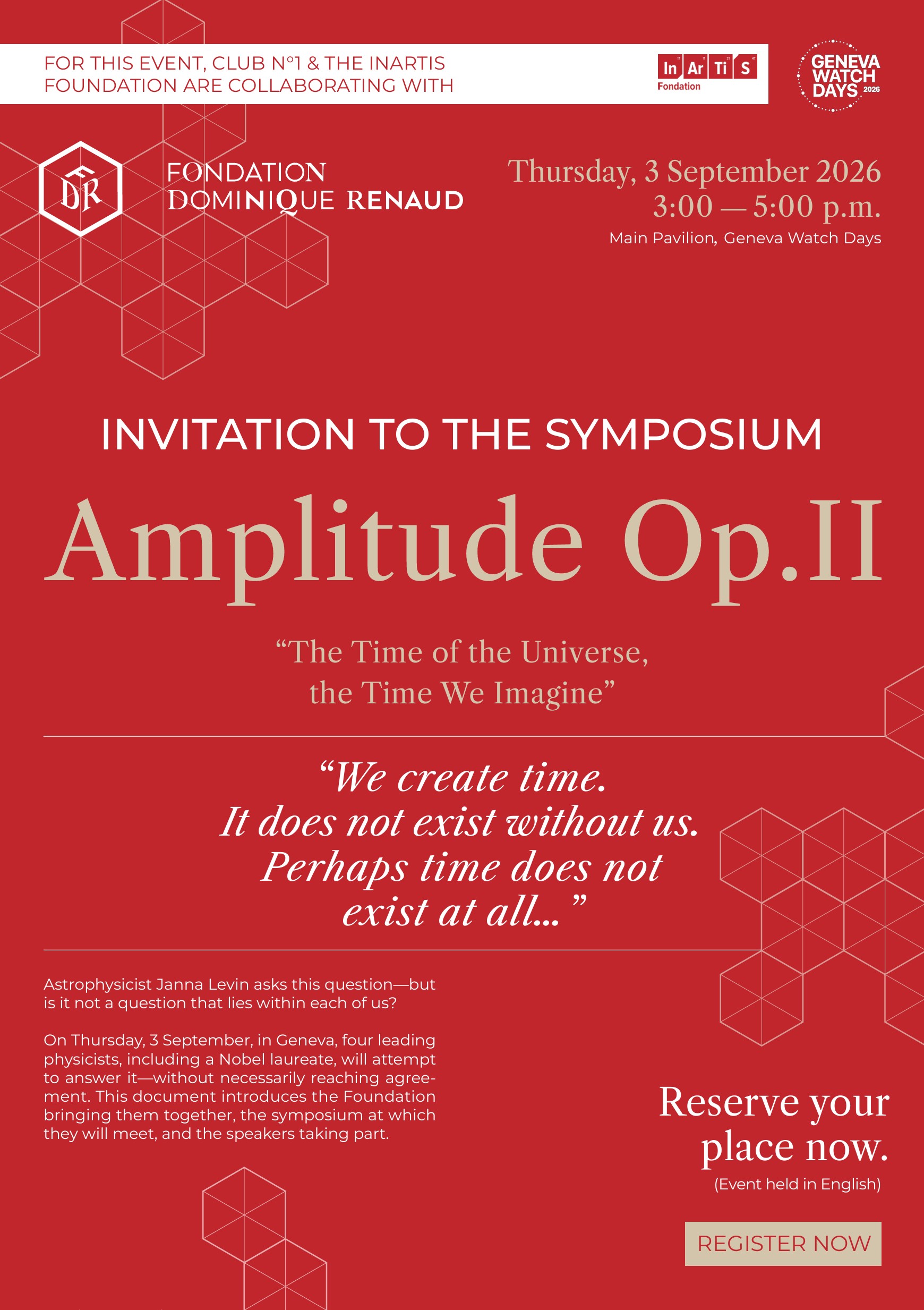
What is time?
On September 3, from 3:00 to 5:00 pm in Geneva, during the Geneva Watch Days, the Fondation Dominique Renaud, Club N°1 and Fondation Inartis invite you to explore a question that is deceptively simple and infinitely profound: what is time?
For the symposium “The Time of the Universe, the Time We Imagine”, four leading physicists and cosmologists — Thomas Hertog, Janna Levin, Katie Mack and Nobel Prize laureate Didier Queloz — will confront one of the most fascinating questions of modern science: is time a property of the Universe itself, or a construction of the observer?
The symposium will take place at the main pavilion of the Geneva Watch Days and will be held in English.
To attend, please register at info@inartis.ch
Learn · Events & Encounters
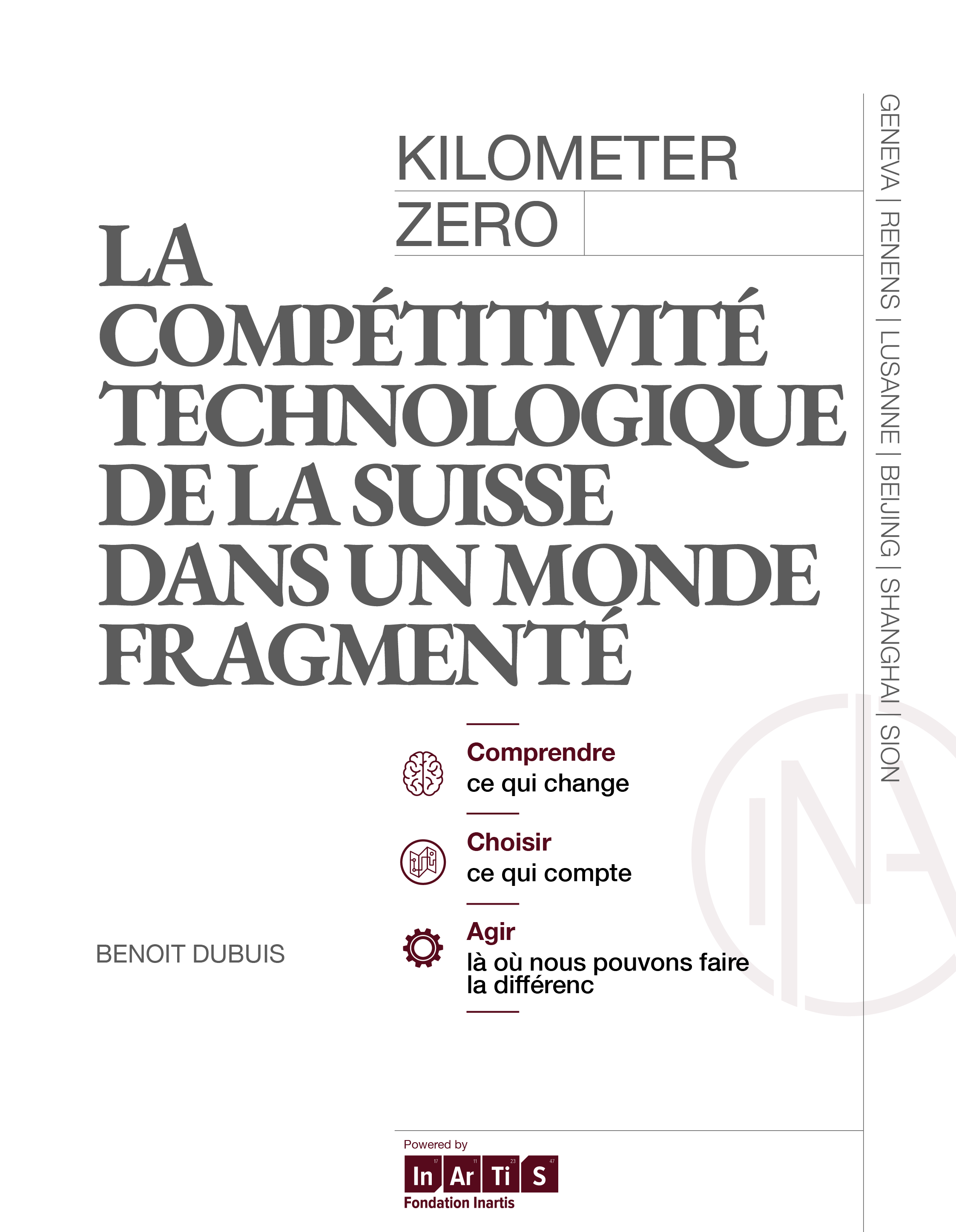
LA COMPÉTITIVITÉ TECHNOLOGIQUE DE LA SUISSE DANS UN MONDE FRAGMENTÉ
Held back
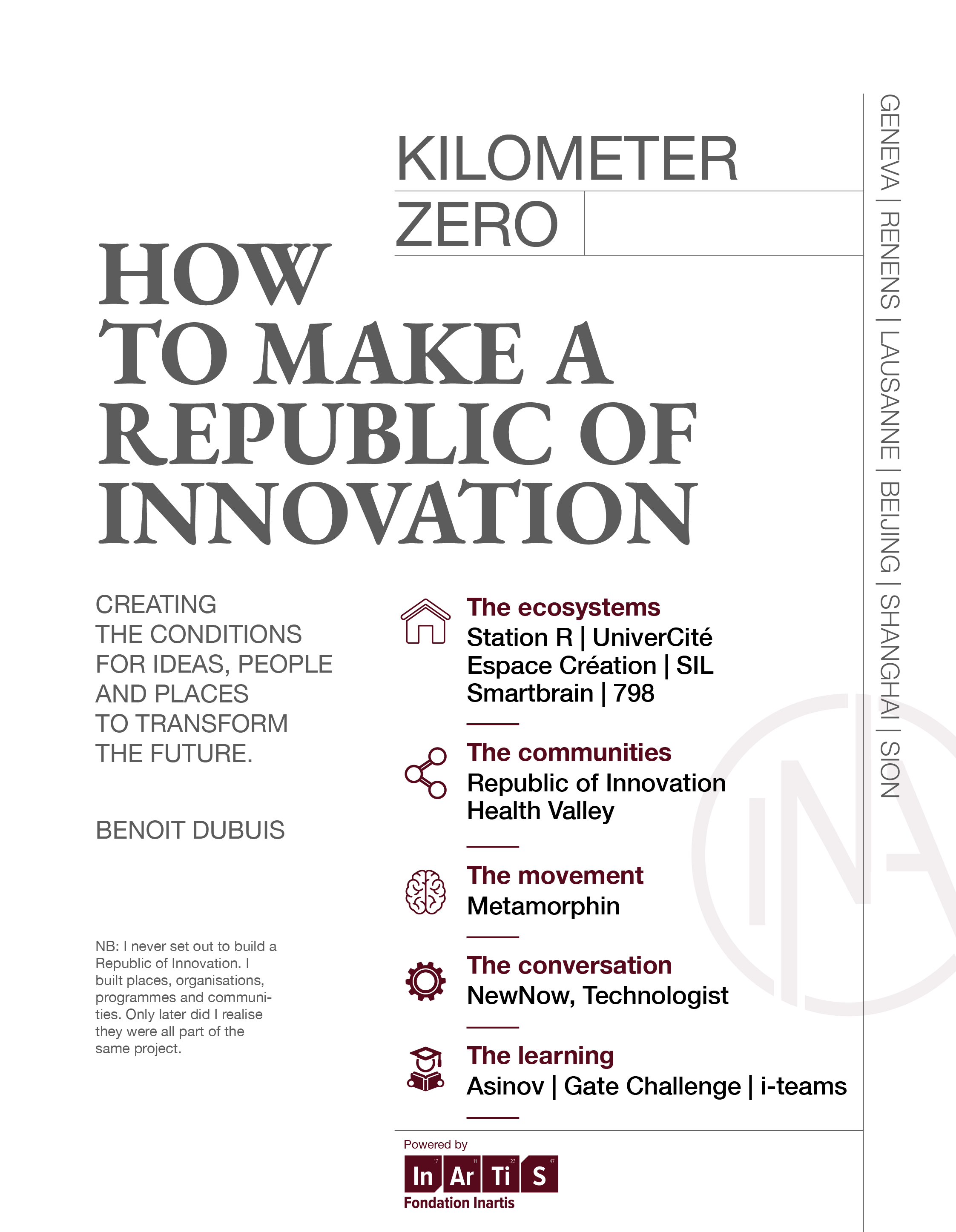
HOW TO MAKE A REPUBLIC OF INNOVATION
Held back